





ABDUL KARIM IBRAHIM
Abdul Karim Ibrahim is a Ghanaian broadcast journalist and researcher with the State Capacity and Citizens Research Group (SCCB-Africa). His work examines the politics of football and how it reflects post-independence attitudes to development. In 2023, he participated in a fellowship at the Arnold Bergstraesser Institute, University of Freiburg, and the Institute of African Studies, University of Ghana, jointly researching decolonization in the University. He was a contributor and Africa Regional Editor for the Bloomberg Handbook on Global Student Governance (2024). Currently, he is Africa Regional Consultant for UNITE Parliamentarians Network for Global Health, Lisbon.
Amanda Nyanhongo
Amanda Nyanhongo is a Chevening Scholar and experienced project manager with five and a half years of expertise in market research and programme management. Her research expertise spans various methodologies, including face-to-face surveys, mobile web surveys, focus groups, and central location tests. She has worked across diverse client industries, including development organisations such as International IDEA and the Africa Economic Research Consortium (AERC), as well as telecommunications, insurance, and consumer goods sectors.
Currently completing her MA in International Education and Development at the University of Sussex, Amanda’s research focuses on integrating pre-colonial African gender and sexuality practices into modern curricula. She brings a unique combination of academic rigour and practical experience to indigenous knowledge research. Her professional background includes leading large-scale research projects as a market research project manager, where she coordinated cross-functional teams, managed budgets, and translated complex data into actionable insights for diverse stakeholders.
Her technical proficiencies in quantitative and qualitative methodologies, combined with her Bachelor of Commerce degree and postgraduate training in Public Management from the University of the Witwatersrand, provide her with a well-rounded foundation that balances commerce and humanities/social sciences perspectives. This positions her well for collaborative, multidisciplinary knowledge production. As a Zimbabwean migrant living in South Africa, Amanda understands the regional dynamics and cross-cultural complexities inherent in African indigenous knowledge systems. Her dissertation research on curriculum integration demonstrates her commitment to bridging traditional practices with contemporary educational frameworks, making her work directly relevant to decolonising knowledge production and promoting culturally responsive pedagogies across the continent.
Arozo ANDRIAMISANDRATSOA
Arozo Andriamisandratsoa is a PhD candidate in inter-epistemological sciences at the OniFRa doctoral laboratory. Her dissertation, Teaching in the Digital Age in Madagascar, examines the cognitive and pedagogical challenges of integrating knowledge through digital technologies, with the aim of strengthening information literacy and cognitive resilience. Multidisciplinary and engaged in transnational collaborations, she develops digital projects and supervises student research. Her publications and presentations include the article “La restriction de la mentalité: la légèreté d’un mot” (Kodjoboué, 2023), the paper “Paradigm, mindset and organization of research entities: the role of early stages for development” (International Young Researchers Conference, Antananarivo, 2023), and participation in UNESCO’s Youth Hackathon (2025).
Assakal Ezene Bruno
Assakal Ezene Bruno est un jeune chercheur de nationalité Camerounaise. Il est Chargé des Travaux Dirigés et doctorant en fin de cycle en géographie de la santé au Département de Géographie et de l’Environnesment de l’Université de Maroua, au Cameroun. Titulaire d’un Master Recherche, il développe une approche interdisciplinaire articulant environnement, santé et dynamiques sociales, avec un intérêt particulier pour les savoirs endogènes africains et leur rôle dans la résilience communautaire face aux crises sanitaires.
Ses recherches interrogent les interactions entre médecine moderne et pratiques traditionnelles, notamment dans la prise en charge des maladies respiratoires dans les contextes de précarité sanitaire de l’Extrême-Nord du Cameroun. À travers ses travaux, il met en lumière les logiques locales de gestion de la santé et milite pour leur reconnaissance scientifique et institutionnelle.
Par ailleurs, il a pris part à plusieurs rencontres scientifiques internationales, notamment à la conférence couplée de l’AG du CODESRIA sur les sciences et les pandémies en Afrique, dont il a été communiquant et publié un article. En plus il a participé à la 6e Conférence Biennale de l’ASAA (African Studies Association of Africa) en 2025, ainsi qu’à diverses journées scientifiques organisées par les universités de Maroua et de Bertoua
De plus, récemment lauréat du Programme de Bourses du CODESRIA sur les Savoirs Autochtones et Alternatifs en Afrique (AFRIAK), tenu à Kigali (Rwanda) en 2025, il s’inscrit dans une dynamique panafricaine de valorisation des savoirs locaux et de réappropriation des paradigmes scientifiques africains.
Ses publications dans des revues à comité de lecture — Revue Territoires Sud, CODESRIA Bulletin, Espace Territoires Sociétés et Santé et IJIAS — témoignent de son engagement scientifique. Parmi ses contributions majeures figurent :
- Regard croisé sur la distribution spatiale et l’offre de soins en contexte épidémique dans les districts de santé de Ngaoundere (Adamaoua, Cameroun) »(2024) ; CODESRIA Bulletin, Nos 5&6, 2023 Page 39, à consulter sur https : journals.codesria.org
- Participation au colloque de l’Assemblé Internationale des Climatologues (AIC) à Paris sur la sécurité alimentaire et sante face aux déterminismes climatiques : deux faces d’une même pièce le cas de l’Extrême-Nord du Cameroun (2024).
- Dynamique des maladies respiratoires aiguës dans la ville de Maroua à l’Extrême-Nord du Cameroun (2025) ;
- Activités anthropiques et impact sur le couvert végétal du terroir de Kolara (Extrême-Nord, Cameroun) (2025) ;
- Regard croisé sur la distribution spatiale et l’offre de soins en contexte épidémique dans les districts de santé de Ngaoundéré (2023).
À travers ses recherches et engagements, Bruno Assakal Ezene œuvre pour une géographie de la santé ancrée dans les réalités africaines, intégrant savoirs traditionnels, innovations locales et politiques publiques pour une meilleure gouvernance sanitaire.
AUDREY MARINGA
Audrey Maringa is currently a second-year PhD student with the International Studies Group at the University of the Free State. Audrey’s research interests span a wide spectrum, encompassing the history of diseases, African sexuality, health and healing, African indigenous knowledge systems, gender dynamics and the evolving landscape of the Zimbabwean pharmaceutical industry. Audrey holds a Master of Arts in African Economic History and a B.A. Honours in Economic History from the University of Zimbabwe.
Beryl Akinyi Oduor
Beryl Akinyi Oduor is a dedicated History and Religious Studies teacher with a passion for preserving Africa’s indigenous knowledge, culture, and heritage. With three years of research experience, l have collaborated with the Jasiri Foundation and The Alliance of Bioversity International and CIAT on impactful projects. I am Committed to education and cultural advocacy, Akinyi,blends academic expertise with a deep appreciation for African traditions, inspiring students and communities to connect with their historical and cultural roots.
Chisomo Basikolo
My name is Chisomo Basikolo, a research fellow in the National Ecosystems Assessment program that is underway in Malawi. I am a master of science student in Environment and climate change and a researcher at Lilongwe University of Agriculture and Natural Resources. I hold a Bachelor’s degree in Environmental Science from the same university. Over the past few years, my interest has deepened in the area of climate change resilience, disaster risk management and Natural resource governance. I am committed to supporting practical and inclusive approaches for sustainable development.
Clarina Mabuku Museta
Ms. Clarina Museta is a lecturer in the Department of Language Development at the University of Namibia. She holds a Master of Arts in English Studies and is currently pursuing a PhD in Applied Linguistics. Her research interests focus on language and culture, language identity, language revitalisation, and indigenous knowledge systems. She is particularly passionate about promoting and preserving linguistic diversity and exploring the role of language in shaping cultural identity and social development.
Damilola Helen Ibitogbe
Damilola Ibitogbe is a postgraduate student in the Department of History at Obafemi Awolowo University, where her research investigates the intersections of disease and identity formation in African societies. She earned a first-class degree in History from the same institution and has developed strong research interests at the nexus of health, society and the environment. She has previously explored the role of religion in shaping environmental stewardship and is currently extending her work to maternal and child health. Damilola’s academic trajectory reflects a commitment to interdisciplinary inquiry, bridging history, health and social development.
Daniel Oluwasegun Adeola
Daniel Oluwasegun, ADEOLA is a PhD candidate in Political Science at Ajayi Crowther University, Nigeria. His research investigates indigenous approaches to addressing insecurity in the Sahel, with emphasis on peacebuilding, governance, and foresight analysis. He holds a Master’s degree in Political Science from the University of Ibadan and has published in national academic journals. Daniel is committed to advancing African-centered scholarship and contributes to interdisciplinary research on conflict resolution, security studies, terrorism, and development policy across the continent.
David Oyoo Ouma
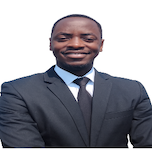 David Oyoo Ouma is an MSc candidate in Agricultural Economics at the University of Pretoria, specializing in environmental economics and agroecology. His research explores pathways for a just agroecological transition in Kenya’s urban and peri-urban lands, integrating Indigenous knowledge into sustainable food systems. He has worked with AKADEMIYA2063, Compassion International, Agriculture and Food Authority, and Farm Africa on climate-smart agriculture, youth policy, and food security. A Mastercard Foundation Scholar and UNEP Nature-based Resilience Award recipient, David has presented at international conferences and is committed to advancing youth-led solutions and decolonizing knowledge production for sustainable development in Africa.
Edith Asare
Edith Asare is a Bachelor’s degree holder in Biological Sciences and a Master of Philosophy candidate in Microbiology at the Kwame Nkrumah University of Science and Technology, Ghana. Her research focuses on Microbial evolution, herbal therapeutics, climate change, and water safety. She has gained practical experience as a laboratory scientist and research assistant, working on working on projects including ALERRT and COVID-19 clinical studies. With strong research, analytical, and communication skills, Edith is committed to advancing public health and scientific knowledge.
Emmanuel Adom
He is the Head of the Department of Pharmacognosy and Herbal Medicine at the University for Development Studies (UDS), Ghana. He holds an MPhil in Pharmacognosy and is pursuing a PhD in Biotechnology at UDS, focusing on developing a novel anti-malarial product from herbs. In 2019, he founded the EA Research Group, through which he has mentored over 1,000 students in biodiversity and community-based research. His work spans ethnopharmacology, neglected tropical diseases, and conservation of endangered medicinal plants. He is passionate about preserving indigenous knowledge and bridging traditional and orthodox medicine to advance SDG 3.
Enock Mwakalila
Enock Mwakalila (Ph.D.) is a Lecturer at Mzumbe University, specializing in Applied Economics. His research interests include climate change economics, macroeconomics, and econometrics, with over 10 years of experience in socio-economic research and data analysis. He has engaged in various research activities with the TUUNGANE project, Climate Change Impacts on Ecosystem Services and Food Security in Eastern Africa (CHIESA), UWEZO-TWAWEZA, Association of Tanzania Employers (ATE), SOS Children’s Villages Tanzania, TANESCO, UNICEF, Independent Commission for Aid Impact (ICAI), Research on Poverty Alleviation (REPOA), and American Red Cross.
Evans Mos Olao
Evans Mos Olao is a curriculum studies doctoral candidate at Moi University. He is a beneficiary of DAAD scholarships offered under CERM-ESA, a project that supports the advancement of educational approaches and methodologies that are rooted in African contexts. He currently serves as a Senior Research and Knowledge Management Officer at the Kenya Institute of Curriculum Development (KICD) where he contributes to curriculum reforms research initiatives. Guided by respect for diversity, Mos envisions engaging in research that advances the realization of Agenda 2063, and being part of global drives that support education research for Africans by Africans.
Fenozo Andriamisandratsoa
Fenozo Andriamisandratsoa is pursuing both an medical degree at the University of Antananarivo, and a PhD in Interepistemic Sciences at the Reformed University of Madagascar. Her doctoral research investigates traditional medicine, therapeutic journeys, and healthcare choices, highlighting how people navigate between indigenous healing practices and biomedical systems. She was recently a visiting researcher at the Centre for African Studies, University of Basel, where she deepened her engagement with health anthropology and health policies in African contexts.
Fiona Mukabatesi
Fiona Mukabatesi is a consultant and researcher with experience in food systems, climate resilience, and community-based programs. She has worked with organizations including Oxfam, Amref, CIMMYT, and the Mental Heroes Foundation, where she leads initiatives on refugee integration and nutrition. Currently, she is pursuing an MSc in Global Food Security and Nutrition at the University of Edinburgh. Fiona also runs a health drinks business producing kombucha and offering nutrition consultation. Her interests center on indigenous knowledge, particularly the use of herbs and traditional supplements in addressing modern non-communicable diseases (NCDs).
Gibrill Amid Sesay
He is the Director of Quality Assurance and International Affairs at Central University, Sierra Leone. He holds a BSc. in Social Work, an MSc in Sociology, Master of Public Administration, MSc in Digital Education and a Masters of Philosophy degree in Sociology. His academic and professional journey has equipped him with deep expertise in academic quality assurance, curriculum development, and institutional governance. Mr Sesay’s research interests center on academic integrity, assessment practices, and the role of learning management systems in enhancing teaching and learning in developing contexts. He has served as a lecturer, researcher, and consultant, working with both national and international partners to strengthen higher education systems. His contributions extend to policy development, accreditation processes, and capacity building for academic institutions in Sierra Leone. Mr Sesay is committed to promoting transparency, accountability, and continuous improvement in higher education, with a focus on aligning local practices with global standards.
Gildas Louis Djohy
Gildas Louis Djohy est titulaire d’un doctorat en aménagement et gestion des ressources naturelles. Il possède également des masters spécialisés en gestion des risques, en géosciences et en gestion de projets. Ses travaux portent sur la gestion des ressources naturelles, la gouvernance foncière, le changement climatique, l’adaptation climatique, la sécurité alimentaire, la résilience communautaire et les dynamiques socio-spatiales. Il a coordonné et contribué à plusieurs projets de recherche-développement avec le DAAD, le GDN, la CAFDO, l’AfWA et l’ACCFP. Auteur de nombreuses publications scientifiques, il participe régulièrement à des colloques internationaux sur le climat, l’agriculture et le développement durable.
Jokébed BOI WOSSO
Jokébed Boi Wosso est socio-anthropologue à l’Université de Parakou au Bénin. Ses recherches portent sur l’agriculture contractuelle, le genre, la sécurité alimentaire et les dynamiques socio-économiques en zones urbaines et périurbaines. Elle a coordonné un mini-projet pour la Communauté d’Afrique Francophone des Données Ouvertes (CAFDO) et travaillé avec des organisations telles que le GR-PDD et l’ONG Better Life sur le climat, l’environnement et le développement agricole. Elle est également consultante associée dans plusieurs études sur l’emploi des jeunes et le maraîchage, et maîtrise divers outils d’analyse qualitative et quantitative. Elle s’intéresse aux savoirs locaux pour la résilience climatique.
Kelebogile Motlhabane
Kelebogile Motlhabane is an MPhil student at the Okavango Research Institute, University of Botswana, researching rural livelihoods and indigenous knowledge in the Okavango Delta communities. She is a team member of the Social Change Lab for Knowledge Equity (SCLaKE), a collaborative initiative with Justus-Liebig University (Germany) and Universidad de Antioquia (Colombia) that focuses on decolonizing research methodologies. This project seeks the valorization of other ways of knowing. Kelebogile holds a Bachelor of Arts in Social Science (Environmental Science & Public Administration) from the University of Botswana. Through the CODESRIA AFRIAK program, she seeks to conduct research rooted in indigenous and endogenous knowledge perspectives.
Kibrewosen Negash Bayyu
Kibrewosen Negash Bayyu is a tourism and heritage development professional with over 12 years of experience in tourism product innovation, intangible heritage promotion, development, and cultural resource management. He has held leadership roles as Director of Tourism Destination and Product Development at the Oromia Tourism Commission and as a Cultural Heritage Conservation Architect at the Ethiopian Heritage Authority, where he advanced strategies for community-centered tourism, managed World Heritage nominations, and collaborated with UNESCO and other international partners. He later served as a Strategic and Technical Advisor at the Ministry of Tourism of Ethiopia, shaping national tourism strategies, strengthening institutional capacity, and positioning cultural and natural assets at the heart of sustainable tourism development. In addition to his public sector roles, Kibrewosen worked in the private sector as a tour operator, designing cultural tour packages that combined storytelling, gastronomy, artisanal crafts, and local performances to connect visitors with Ethiopia’s living traditions. He studied Heritage Conservation at Mekelle University and pursued further studies in Tourism Development and Management in Austria. Multilingual in Amharic, Afaan Oromo, English, and Basic German, he brings strong cross-cultural communication and collaboration skills to his work in tourism and heritage development.
Lantana Chipofya
Lantana Chipofya is a PhD candidate in Humanities Education at the University of Pretoria and a lecturer in English Didactics at the University of the Free State, South Africa. Her research focuses on Indigenous Knowledge systems, culturally responsive pedagogy, and African Indigenous storytelling as pedagogy in culturally diverse classrooms. Her work is dedicated to preserving orality and creating spaces for African Indigenous storytelling in classrooms, ensuring that folklore and tribal histories are passed down to future generations.
Lavenda Achieng’ Odhiambo
 Lavenda is a dedicated researcher with expertise in conservation, blue economy, and sustainable waste management. She holds Master of Philosophy [MPhil] in Blue Economy, Governance and Social Resilience and currently serves as the Executive Director of Eco-Loop Kenya. Her work explores plastic pollution, the circular economy, environmental policy analysis, and the socioeconomic dimensions of environmental governance in both coastal and urban contexts. She is particularly passionate about designing innovative, evidence-based strategies to tackle environmental challenges in Kenya and across the Global South.
Eunice Sibongile Chiwaya
I am currently pursuing a Master of Arts degree in Anthropology at the Walter Sisulu University. I hold a Bachelor of Arts degree in Psychology and Anthropology, as well as an honours degree in Anthropology, both from the Nelson Mandela University.
My research focuses on gender and witchcraft accusations, and I am exploring this issue in the Nkhamenya region of Malawi. I am a member of the Golden Key International Honour Society.
I have previously received funding from the National Research Foundation (NRF) to support my research endeavours.
Natalie Tadiwanashe Mhanda
Natalie Tadiwanashe Mhanda is a Zimbabwean researcher, editor, and communications practitioner with a Master’s degree in Language and Multicultural Communication from the University of Zimbabwe, where she also earned her BA Honours in Translation and Interpretation Studies. Her master’s dissertation, “Multicultural Communication Consultancy for NGOs in Zimbabwe: A Framework for Building Communication Strategies,” develops a model for enhancing intercultural engagement in the NGO sector. Her undergraduate dissertation, “The Representation of Zimbabwe’s Officially Recognized Languages in Digital Media: A Case Study of Xhosa,” explored the visibility of Indigenous languages in online spaces. Natalie’s research interests include Indigenous Knowledge Systems, multilingual and multicultural communication, and youth engagement through community storytelling. Currently, she is working as an editor, contributing to projects that promote linguistic clarity, cultural sensitivity, and inclusive communication.
Emet Oluwafemi Sodjegbe
Emet Oluwafemi SODJEGBE is a peace researcher and development practitioner committed to promoting democracy, social justice, and sustainable development in West Africa. His work explores the intersections of governance, civil society, and community-driven solutions, with a focus on the role of youth and women leaders in civil society organizations and public-private partnerships in agriculture for sustainable development.
Emet has contributed to research and knowledge management initiatives with organizations such as the Bold Voice of West Africa, World Agriculture Forum, West Africa Civil Society Institute (WACSI), Invest-Link, ONG EDUK&ACTION and Ecological Policy Nexus, gaining expertise in policy analysis, strategic communication, and project coordination. He combines rigorous academic research with practical engagement, advocating for evidence-based approaches that integrate local knowledge and promote inclusive participation.
Passionate about youth empowerment, gender inclusion, and indigenous knowledge systems, Emet envisions African societies where social cohesion, participatory governance, and equitable development are strengthened through culturally grounded and innovative solutions. Through the AFRIAK Fellowship, he seeks to advance research and leadership initiatives that contribute to sustainable peace and development in the region.
Oluwaremilekun Ayobami ADEBISI
Dr. ADEBISI, Oluwaremilekun Ayobami is a Research Fellow at the Institute of Food Security and Commercial Agriculture, Federal University Oye-Ekiti, and a Research Associate at the Centre for Sustainable Agricultural Empowerment. She holds a Master’s and PhD in Agricultural Economics from the University of Ilorin, Nigeria. With over nine years of experience, she specializes in research design, project execution, monitoring, evaluation, and stakeholder training. Her work spans food security, gender and women’s empowerment, climate change, financial inclusion, and rural health. She applies impact evaluation tools and randomized controlled trials to advance evidence-based policy and advocacy.
Adja Fatou Youm
Je suis du groupe « Défendre les Savoirs Médicaux Autochtones Africains » (DSM2A ) de la bourse AFRIAK de CODESRIA. Je suis actuellement maître en socio-anthropologie de l’Université Gaston Berger de Saint-Louis du Sénégal. J’ai travaillé sur l’économie sociale et solidaire dans les fermes familiales et je compte orienter mes recherches doctorales dans les questions de sécurité alimentaire . Par ailleurs je suis membre du Laboratoire Critique et prospective Sociales dans la même université et suis monitrice des collectivités éducatives.
Adjowa Yewa Tossoukpe
Dr. Adjowa Yéwa Tossoukpe holds a PhD in Climate Change and Human Habitat from the Federal University of Technology Minna, Nigeria, awarded through the WASCAL (West African Science Service Centre on Climate Change and Adapted Land Use) program. She earned a master’s degree in Plant Biodiversity and Tropical Ecosystems from the University of Lomé, Togo. Her expertise lies in climate change, urban sustainability, and ecosystem management, with strong skills in remote sensing and environmental modelling. Her international research spans Germany, Nigeria, Ghana and Togo. She is dedicated to advancing climate resilience and sustainable development through innovative environmental solutions.
Afi Amen Christele Attiogbe
Christèle Attiogbe is a research assistant at the Centre de recherche sur les changements climatiques (CRCC) at the Université of Lomé (UL-TOGO). She holds a PhD in Climate Change and Land Use from Kwame Nkrumah University of Science and Technology (KNUST, Kumasi, Ghana), and a Master’s and Bachelor’s degree in UL-TOGO. She is a specialist in climate vulnerability and resilience for socio-ecological systems. Dr Attiogbe obtained a postdoctoral fellowship at the Faculty of Spatial Development and Infrastructure Systems at the University of |Applied Sciences of Cologne (Germany), where she researched the nature-based solutions applied for cocoa production systems.
Anastasia Arkoh
Anastasia Arkoh is a dedicated STEM coordinator and educator from Ghana. She holds a Bachelor of Education from the University of Cape Coast and is currently pursuing an MPhil in Science Education at Kwame Nkrumah University of Science and Technology. Anastasia’s research interests centre on STEM education, culturally responsive pedagogy and sustainability in education. Her master’s dissertation explores the pivotal role of STEM coordinators in fostering sustainable integration of STEM education within Ghanaian schools. Anastasia has contributed as a research support and workshop facilitator to research projects and capacity building programmes commissioned by the Ghana Education Service and some partners.
Aneth Moses Pallangyo
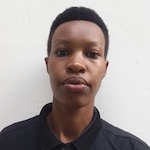 Aneth Moses Pallangyo is a Tanzanian graduate in bachelor degree of Geography and Environmental Studies from the University of Dar es Salaam. Her academic and practical experience spans environmental management, urban planning, climate change resilience, biodiversity, and geospatial analysis. She has undertaken internships and field research in environmental audits, impact assessments, and data visualization, with a focus on sustainable development. Aneth has also been an active member of the Association of Geographers and Environmental Managers, contributing to training, dialogues, and environmental projects. She is passionate about applying her knowledge to foster positive community and ecological change.
Charlotte Tetebea Asiamah
Charlotte Tetebea Asiamah holds a Bachelor of Arts degree in Akan and is currently pursuing an MPhil in Language and Literacy Education at the Department of Teacher Education, Kwame Nkrumah University of Science and Technology. She is an astute language teaching professional and has taught Asante Twi, an indigenous language in Ghana since 2022. Charlotte is an early career researcher with research interests lying at the intersection of Akan language and culture, indigenous language acquisition, and second language acquisition. Her master’s dissertation focuses on exploring the Akan and English phonemes and their pedagogical implications for language acquisition.
Cheikh Diop
Cheikh DIOP est actuellement étudiant en Master en socio-anthropologie à l’Université Gaston Berger de Saint-Louis du Sénégal, après avoir obtenu une licence en Langues, Littératures et Civilisations Africaines dans le département des Langues et Cultures Africaines (LCA).
Passionné par la compréhension des dynamiques sociales contemporaines et des interactions culturelles, Cheikh axe ses recherches sur la relation entre le cadre social et la production des connaissances. Son approche combine les méthodes de la sociologie et de l’anthropologie pour offrir une perspective riche et nuancée.
À terme, Cheikh aspire à poursuivre un doctorat en socio-anthropologie pour approfondir ses recherches dans ce domaine.
Chido Mercillina Muswerakuenda
Chido Muswerakuenda is a Lecturer in the Department of Peace Security and Society, Faculty of Arts and Humanities, University of Zimbabwe. She holds a Masters in War and Strategic Studies from the University of Zimbabwe. She was a recipient of the DAAD In Country/In Region scholarship while pursuing her Masters Degree. Her research interests include: Indigenous knowledge systems and peacebuilding in Africa, human security, nonviolence, African security, gender and conflict and conflict transformation. She currently facilitates a module on IKS and peacebuilding and this has garnered an interest in research on IKS and peacebuilding and its potential for restorative justice.
Chimwemwe Phiri
Chimwemwe Phiri holds a PhD and a Master’s degree in Development Studies, focusing on Climate Change and Human Development. He has over 12 years of experience in international development, organizational leadership, and project management. Previously, he served as the National Director for the Catholic Development Commission in Malawi (CADECOM)/Caritas Malawi and as the SCIAF Local Coordinator for Climate Resilience Programming in Malawi, Rwanda, and the Democratic Republic of Congo (DRC).
Christiana Nyarko Adjei
Christiana Nyarko Adjei is a dedicated mathematics education researcher passionate about transforming STEM education in Africa. Her research interests include ethnomathematics, culturally responsive pedagogy, and mathematical modelling. She has contributed to projects with the Ghana Tertiary Education Commission (GTEC), British Council, International Development Research Centre (IDRC), and Partnership for Innovative Research in Africa (PIRA), focusing on inclusive and quality education. Christiana is currently pursuing a PhD in Mathematics Education at the Kwame Nkrumah University of Science and Technology (KNUST), where she also serves as a graduate assistant.
Daizy Shoma Nalwamba
 Dr. Daizy Shoma Nalwamba is an environmental sustainability and climate change scholar with over seven years of experience in research, teaching, and policy engagement. She holds a PhD in Development Studies, focusing on Environmental sustainability and a Master of Science in Environmental Management. She serves as a Lecturer in the Faculty of Public Health at Chreso University, Zambia. She is also a Postdoctoral research fellow at the Higher Education and Human Development Research group at the University of the Free State, South Africa. Her work spans environmental sustainability and management, disaster risk reduction, public health, electronic waste governance, climate change and community resilience. Dr. Nalwamba has contributed to both academic and practical initiatives promoting climate justice, sustainable development, and inclusive adaptation. She has worked with institutions such as the Zambia Heritage and Conservation Commission, CeLIM Italian NGO, Zambia Revenue Authority and Mongu Municipal Council. She is a 2025 CODESRIA AFRIAK Fellow supported by the Mastercard Foundation.
Dawn Chemoiwa
Dawn Chemoiwa is a Master’s student in Development Studies at the University of the Western Cape, South Africa as a DAAD Scholarship recipient. She has three years of experience working with non-governmental organisations on projects in livestock agriculture, human wildlife conflict, improved livelihoods, education, climate adaptation, business development, and women empowerment in Kenya’s arid and semi-arid lands, particularly in Kitui Rural, Kitui, Kenya and the Amboseli National Park dispersal area, Kajiado, Kenya. Her research interests lie in the creation of sustainable livelihoods through innovation and programme design. Through AFRIAK, Dawn seeks to deepen her growth as a young researcher and to build lasting professional networks with Africa’s emerging scholars. She speaks Kiswahili, English, and intermediate French, and enjoys writing on development issues.
Desteria Kitunga
 Desteria Ansy Kitunga is a passionate Sociologist with a Bachelor’s degree of Arts in sociology, she works at Sokoine University of Agriculture as a Tutorial Assistant. Currently is admitted at the university of Dar Es Salaam to pursue Master Degree of Arts in Sociology. With her deep commitment to community welfare, she strives to make a positive impact through her knowledge to address social challenges, empower and uplift communities, ensuring their well-being through active engagement and collaborative efforts. She is dedicated to investigate and fostering sustainable solutions that promote social cohesion, equality, and overall development.
Ehlui Kossi Senyo
Dr. EHLUI Kossi Senyo is a Togolese scholar, educator, and environmentalist with a PhD in Climate Change and Education, specialising in indigenous practices and forest ecosystem conservation. His doctoral research explored how local knowledge systems and traditional practices can be harnessed to protect and restore forest ecosystems in northern Togo, a region highly vulnerable to climate change.
With a strong interdisciplinary profile, Dr. Ehlui’s work bridges climate science, education, and indigenous knowledge to promote sustainable natural resource management. He is particularly interested in the role of cultural beliefs and environmental taboos in shaping biodiversity conservation, and how these insights can inform modern climate adaptation strategies.
Alongside his academic activities, Dr. Ehlui is actively engaged with CAPAS NGO (Cellule d’Appui aux Producteurs Agricoles des Savanes), where he contributes to community-based climate education, forest conservation, and awareness-raising projects. His collaborations extend to projects supported by international partners such as the UNDP and the GEF Small Grants Programme.
As a teacher under the Ministry of Primary and Secondary Education of Togo, he lectures in Geography, Climate, and Environmental Science, and also serves as an assistant lecturer in sustainability sciences at the University of Lomé. Through these dual roles, he nurtures the next generation of environmental stewards while advancing research on climate resilience.
His current projects include climate adaptation in semi-arid ecosystems of northern Togo, sustainable fisheries and lagoon resource management along the Togolese coast, and ethical considerations in agro-pastoral research. He has also applied for and participated in several international fellowships and programmes, including the Alexander von Humboldt Foundation and the UNEP/UNESCO/BMUV Environmental Management Course.
Dr. Ehlui is a young, dynamic researcher committed to integrating indigenous knowledge, education, and scientific research to foster resilience and sustainable development in Africa.
Emmanuel Sasu Boakye
Emmanuel Sasu Boakye is an early career researcher committed to inclusive and equitable access to quality STEM education for persons with disabilities in higher education. He holds an MPhil in Mathematics Education from Kwame Nkrumah University of Science and Technology, where he authored a thesis on the exclusion of students with vision impairments from mathematics education in Ghanaian teacher training institutions, and a BSc in Mathematics Education from the University of Education, Winneba. Emmanuel has widely disseminated his research output through international research conferences. His research interests reflect interlinkages between ethnomathematics, disability inclusive education, and sustainable development.
Jean-Jacques Essoh
 Titulaire d’un Doctorat en Histoire Moderne et Contemporaine, ESSOH Jean-Jacques, de nationalité ivoirienne, est Chercheur à l’Institut d’Histoire, d’Art et d’Archéologie Africains de l’Université Félix Houphouët-Boigny (Côte d’Ivoire). Ses recherches portent sur les savoirs culinaires endogènes en Afrique de l’Ouest, avec une attention particulière à la Côte d’Ivoire. Il est l’auteur de l’ouvrage L’alimentation chez les Adjoukrou de Côte d’Ivoire. De l’époque précoloniale à nos jours (L’Harmattan), ainsi que d’une vingtaine d’articles scientifiques (voir https://scholar.google.com/citations?user=5njlA8gAAAAJ&hl=fr&authuser=1). Dr. ESSOH a, par ailleurs, pris part à de nombreuses communications scientifiques en Côte d’Ivoire, en France et dans la sous-région ouest-africaine.
Evaline Samwel Mafipa
 Ms. Evaline S Mafipa is a tutorial assistant at Sokoine University of Agriculture in Tanzania. She holds a Bachelor’s degree in Development Planning and Management and currently pursuing her Masters in Development Planning and Policy Analysis. Her academic background, has equipped her with a solid understanding of how planning effect development in general and how to handle management for development activities and also how different policies cause and effect development in a society. Ms. Evaline has worked with private organization called ESGL (Essential skills for girl’s livelihood) and served as a project developer. In government she is serving as a tutorial assistant at Sokoine University. Evaline is committed to supporting growth of development through proper ways of managing resources, skills engagement and application of good policies.
Evelyn Bayani
I am an Assistant Lecturer in History at the University of Malawi, I serve within the Department of History, Archaeology, and Heritage Studies. With a strong academic foundation, I was employed by the University of Malawi due to my outstanding performance during undergraduate studies. As a passionate researcher, I explore new concepts to understand societal dynamics, focusing on human societies and historical events. I’m awaiting the commencement of my Master’s degree program, which will enhance my research skills. My research interests are centered on understanding complexities of human societies and historical events.
Glory Felix Kimenya
 Glory Felix Kimenya born in Dar es salaam but proudly rooted in Kilimanjaro. Growing up in the vibrant coastal city and majesty shadow of the mountain has shape my love for diverse culture and breathtaking landscapes. I recently graduated with bachelor’s degree in Geography and Environmental Studies from University of Dar es salaam. During University time I was actively involved in different Research field in different region like Dodoma, Dar es salaam, also I attended training workshop like Geographical Information System whereby I learned how to collecting, analyzing interpret data, making decision and apply data in different field. Apart from studying, I am engaged in entrepreneurship while striving to pursue a Master’ degree in my studies.
Ibrahima Dominique Faye
Ibrahima Dominique Faye est doctorant en socio-anthropologie à l’Université de Saint-Louis. Titulaire d’une licence en Histoire (USSEIN/Kaolack) et d’un master en Langues, Littératures et Civilisations Africaines (UGB/Saint-Louis), ses recherches portent sur les mémoires coloniales, l’épistémologie décoloniale et les savoirs endogènes africains. Lauréat du Prix d’Excellence 2025 de la Fondation UGB, il est membre du laboratoire Critique et Prospective Sociales (CRIPROS) et du groupe de recherche Défendre les Savoirs Médicaux Autochtones Africains (DSM2A). Engagé dans des initiatives sociales et culturelles, il a récemment œuvré au développement de l’offre culturelle de la Maison de la Culture Oumar Sarr de Dagana (août-septembre 2025).
Inès Eteka
 Inès ETEKA assistante de recherche à UREPA (Unité de recherche en économétrie et Politique Agricole) à l’Université de Parakou, est titulaire d’un Master en Agronomie spécialité Economie et Sociologie Rurales.
Son intérêt pour la politique agricole, les zones rurales, l’environnement et le changement climatique l’a amené à intégrer le Réseau Universitaire international pour l’action Climatique (UniC) et d’autres organisations.
Ines intervient également entant que consultante indépendante dans un cabinet d’étude où elle mène des activités en zone rurale plus spécifiquement avec les autochtones. Elle veille à ce que les communautés sous-représentées puissent faire entendre leur voix dans les décisions relatives à une agriculture durable grâce à la recherche.
Issa Diouf
Titulaire d’un master en socio-anthropologie de l’Université Gaston Berger de Saint-Louis (mention très bien), ses recherches portent sur les dynamiques de transformation sociale induites par l’introduction du numérique dans l’agriculture et l’entrepreneuriat local. Chargé de recherche et de suivi-évaluation depuis 2023, il a coordonné plusieurs études de terrain et dirigé la rédaction de rapports stratégiques. Actuellement doctorant, sa thèse interroge la redéfinition des modèles de réussite sociale chez les jeunes de Saint-Louis à l’ère du numérique. Il est également auteur d’un article scientifique sur les reconfigurations sociales autour de la numérisation des pratiques agricoles à Mbane.
Maï Liman Iya Djanabou
IYA DJANABOU Maï Liman, doctorant dynamique en Hydromorphologie à l’Université de Diffa au Niger, section : Ecole Doctorale Sous-Régionale Paix, Sécurité, Environnement et Développement Durable. Fort d’un parcours académique solide, Master ( Géographie de l’Environnement et de l’Aménagement à l’Université de Maroua), Licence (en Géographie Physique), elle se passionne pour les interactions complexes entre les sociétés et les systèmes naturels.
Jane Senga John
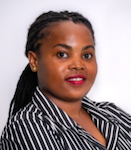 Jane Senga John is an Assistant Lecturer in Sociology and Anthropology at Sokoine University of Tanzania and a PhD candidate at the University of Dar es Salaam. With over eight years of experience in teaching, research supervision, and consultancy, her expertise lies in medical sociology, rural livelihoods, and gender studies. Her research explores the social construction of health, illness behaviours, and meanings attached to diseases and treatment. She has consulted for NGOs such as Campaign for Female Education – CAMFED, applying her skills in qualitative and quantitative research, thematic and gender analysis, participatory methodologies, and stakeholder engagement.
Kgaogelo Matlatle
I was born and raised in rural Limpopo, where I came to understand education as both an equaliser and a tool for justice. I am an MPhil candidate in Gender Studies at the University of South Africa, with a BA in Geography and Anthropology from the University of Johannesburg. Guided by an intersectional ecofeminist perspective, my work explores the intersections of gender, education, climate change and policy. I imagine a future where policy is not shaped by inaccessible jargon but by rural Black women drawing on indigenous knowledge and storytelling to influence decisions that affect their lives and communities.
Kimberley Khumalo
Kimberley is a young radical feminist, land justice activist, and political educator, committed to decolonising land relations and amplifying community-led resistance. Her work bridges grassroots activism with radical education, challenging extractive systems while centring collective liberation. She holds an MPhil in Poverty, Land and Agrarian Studies from the University of the Western Cape, and a Bachelor of Science (Honours) in Urban and Regional Planning. Her research and advocacy support movements fighting for sustainable and just futures.
Mahugnon Néhémie Kotobiodjo
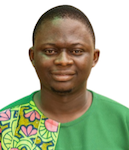 Mahugnon Néhémie KOTOBIODJO is a PhD candidate at the École Doctorale des Sciences Agronomiques et de l’Eau of the University of Parakou (Benin). His research focuses on the sociology of natural resources, with particular emphasis on the co-construction of agro-sylvo-pastoral and climate innovations in West Africa. He investigates how scientific knowledge and indigenous practices can be integrated to design resilient production systems attuned to local socio-economic and environmental realities. Anchored in a transdisciplinary and participatory perspective, his approach fosters dialogue among researchers, farmers, herders, farmer organizations, and policymakers. As a member of the Laboratoire Société–Environnement, he contributes to projects on agroecology, sustainable land management, crop–livestock integration, and natural resource governance.
Nomfundo Sihle Kunene
Kunene Nomfundo Sihle is a postgraduate student at the University of Eswatini. She is currently working on a Postgraduate Certificate in Education. With an undergraduate degree in Humanities, focusing on African Languages, Literature, Theology, and Religious Studies, she is interested in the relationships between language, culture, and indigenous religious practices. Although she is new to research, she has undertaken research project as part of completing her undergraduate studies. She is eager to expand her academic pursuits and contribute to the understanding of African languages, cultural narratives, and indigenous religious traditions.
Lesedi Mashumba
Dr Lesedi Mashumba is a Senior Lecturer at the University of Botswana. She holds a PhD in Criminology, a Master’s in Criminology & Criminal Justice, a Master’s in Development Studies, and a Bachelor of Criminal Justice. She is also a Certified Forensic Investigator, a licensed private investigator, an Ethical Hacker as well as a Consultant in Cybersecurity. Her academic background has equipped her with a solid understanding of the interlinkages between land dispossession, criminalization of livelihoods of marginalized communities, decolonization of research methodologies, technology and social justice. Lesedi is committed to supporting person-centred and inclusive approaches for sustainable development
Lireko Pearl Qhobela
Lireko Qhobela, PhD, is a Drama Therapist, Applied Theatre artist, and currently, a Junior Research Fellow with the Institute for Humanities in Africa (HUMA) at the University of Cape Town (UCT). Her research interests focus on the development of Creative Arts Therapies in Africa with links to identity, repair, and Bantu futurology. As a part-time lecturer with the Centre for Theatre, Dance and Performance Studies at UCT, she teaches Applied Theatre facilitation as well as an introduction to Drama Therapy and expressive arts. Her pedagogical aim is to ground Creative Arts Therapies in African ways of knowing in order to expand on the understanding of mental health practices.
Mabafokeng Hoeane
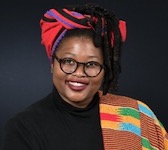 Mabafokeng Hoeane is a curator, conservator, and historian whose research lies in the field of Cultural Heritage, with particular attention to African artefacts and the epistemologies embedded in sacred and spiritual objects housed in global museum collections. She holds an MA in Tangible Heritage Conservation from the University of Pretoria, where she is currently completing a PhD in Visual Cultural Studies. Her doctoral study examines Zulu ceremonial material, focusing on Izidwaba zenkomo, pleated cowhide skirts worn by Zulu women in ceremonial contexts. Hoeane is also a research fellow at the Centre for the Advancement of Scholarship(UP), under the Andrew W. Mellon project Entanglements, Mobility and Improvisation. She is currently a researcher at the Chief Albert Luthuli Research Chair at the University of South Africa.
Maria Fernando Manjate
Maria Manjate is a cultural manager and an emerging professional in the field of heritage. She currently serves as a Program Officer at the Observatory of Cultural Policies in Africa (OCPA), based in Mozambique, where she provides support and technical assistance for the development and promotion of cultural policies across the African continent, through specific projects focusing on dissemination (research and publication), capacity building, networking, and advocacy, in close cooperation with UNESCO, the African Union, and other regional and international partners.
Maria is also a member of the ICOMOS Emerging Professionals Working Group (EPWG), contributing to global dialogue on heritage conservation. Additionally, she is the co-founder of Own Heritage, a cultural consultancy dedicated to advancing work in culture, education, heritage, and the creative industries.
Mariam M Msambya
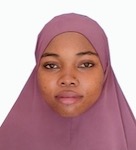 She is an Assistant Coordinator and Administrative Research Intern with the Research Chair on Forced Displacement at the University of Dar es Salaam. She holds a Bachelor of Science with Education in Chemistry and Biology from Sokoine University of Agriculture. Her academic background has equipped her with strong knowledge in natural resources, ecology, conservation, indigenous medicine, environmental management, and climate change. She has contributed to research on climate change, community empowerment, refugee livelihoods, and urban development. Ms. Msambya has worked with REDESO, ESRF, and the University of Dar es Salaam, gaining experience in research and coordination.
Mariamu E. Laiser
Mariamu E. Laiser is an emerging researcher in Cultural Heritage Management. She holds a bachelor’s degree in Heritage Management and is currently pursuing a Master of Arts in the same field at the University of Dar es Salaam. Her research interests focus on community-led approaches to the management and conservation of cultural heritage, particularly the role of traditional custodianship and governance in safeguarding heritage sites. As an AFRIAK fellow, she focuses on the production and socio-political environments of indigenous medicine in Tanzania, examining preparation methods, hygiene, regulation, and commercialization. She is passionate about bridging indigenous knowledge with contemporary frameworks for sustainable heritage management and community health.
Marie Thérèse Daba SENE
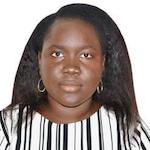 Docteure en sociologie, spécialisée en genre, agroécologie et autonomisation féminine en Afrique de l’Ouest. Lauréate de plusieurs programmes internationaux [PARFAO (IRD/AUF), Programme Jeunes chercheurs en Afrique francophone (GDN/AFD), One Planet Fellowship], Marie Thérèse Daba SENE possède une solide expérience en coordination de projets de recherche, enquêtes de terrain et partenariats universitaires et ONG. Ses travaux portent sur la valorisation des savoirs autochtones dans l’agroécologie, l’adaptation au changement climatique et l’innovation sociale pour l’égalité de genre.
Marième Tall GOUDIABY
I am a PhD candidate and lecturer in Social Sciences of Religions at Gaston Berger University of Saint-Louis. My research explores the history of female monasticism in West Africa, examining its historical, social, and cultural dimensions. I aim to contribute to a better understanding of women’s religious practices and experiences in the region. My approach is critical and prospective, shedding light on contemporary issues related to religion, society, and culture. My expertise includes social sciences of religions, history of female monasticism, gender studies, and religious practices in West Africa. I promote knowledge transmission and analytical skills among students.
Marwan Hamdoun
Marwan Hamdoun is an Assistant Lecturer in Tourism Guidance at Fayoum University (Egypt) and a PhD candidate focusing on the conservation and interpretation of geological heritage in Egypt’s Red Sea region. His research idea on community-based interpretation at Ras Mohammed was selected as a grant-winning proposal under international recognition. He is also a member of IUCN WCPA (Geoheritage & Protected Areas). Beyond academia, Marwan is a creative writer and novelist, with two published novels and forthcoming short story collections. He bridges research and storytelling to advance knowledge, cultural interpretation, and African-centered creativity.
Mary Kageni
Mary Kageni is a PhD candidate in Geography and Environmental Studies at the University of Nairobi, with over ten years’ experience in research, policy, and advocacy on agriculture, climate change, and environmental governance. She is the Manager for Birds and Wildlife Control at the Kenya Airports Authority and formerly served as Head of Climate Action and Policy Advocacy at the Kenya National Farmers Federation (KENAFF). Holding an MA in Biodiversity and Natural Resource Management and a BA in Geography, she specializes in GIS and remote sensing. Her work aligns with AFRIAK fellowship goals by advancing Africa-centered research, informing policy, and promoting sustainable development.
Maureen Njuhi
Maureen Njuhi is a Master’s student in Development Studies at the University of Nairobi. She has three years of experience working in the non-governmental sector, with a focus on rural communities in Kenya. As a volunteer Community-Led Development Facilitator, she worked with a community in Kajiado to mobilize locally available resources to address pressing needs. In addition, she is a communications professional who tells stories of how rural communities are driving their own development. Her research interests center on indigenous knowledge systems, with a particular focus on how they can be revived and harnessed to bring meaningful change within communities. As a young researcher, she seeks to deepen her expertise in indigenous knowledge and build connections with fellow emerging African scholars. Outside of her academic and professional work, Maureen enjoys playing basketball, traveling, and reading African literature.
Mbali Twala
Mbali Twala is a freelance facilitator and researcher with a background in Politics, International Relations, and Development Studies. She holds a BA in Political Science and International Studies, and an Honours degree in Politics and International Studies and Development Studies. Mbali is passionate about gender, education policy, and social transformation, with a strong focus on community development and human rights. Her work explores how inclusive, participatory approaches can drive meaningful change. As a black woman and social justice advocate, she brings an intersectional lens to both research and facilitation, aiming to make knowledge and policy more accessible, empowering, and responsive to marginalised communities.
Audrey Cyndi Meidong Kemhougou
Meidong Kemhougou Audrey Cyndi is a passionate researcher, educator, and advocate committed to advancing environmental sustainability, indigenous knowledge, and community well-being. Her work blends scientific inquiry with empathy and purpose, reflecting her belief that research should drive real, human-centered change.
Currently pursuing her DIPET II in Human Nutrition and Dietetics at the Advanced Teacher’s Training School for Technical Education, University of Douala, Cyndi combines her expertise in environmental science and nutrition to explore how local food systems and indigenous practices can promote health and sustainability. As an AFRIAK Fellow and volunteer at the Museum Écologique du Millénaire, she leads field research, data collection, and community-based studies across indigenous communities in Southern Cameroon and the Congo.
Her academic background : a Master’s in Natural Resources and Environmental Management , a Bachelor’s in Environmental Science from the University of Buea DIPET I and a has strengthened her analytical and methodological skills in research design, data analysis, and scientific writing. She is adept at using tools such as SPSS, WHO AnthroPlus, ArcGIS, Zotero, and Mendeley, supporting her evidence-based approach to environmental and nutritional studies.
Beyond research, Cyndi is deeply involved in youth empowerment, peacebuilding, and environmental advocacy. Fluent in English and French, she uses education, art, and storytelling to inspire communities toward resilience, harmony, and sustainable living.
Mireille Fatima DIALLO
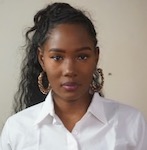 Mireille Fatima DIALLO est titulaire d’un Master 2 en Langues et Cultures africaines, parcours Socio-anthropologie, à l’UFR des Civilisations, Religions, Arts et Communication de l’Université Gaston Berger de Saint-Louis (Sénégal). Elle est membre du laboratoire de recherche DSM2A (« Défendre les Savoirs Médicaux Autochtones Africains »), composé de chercheurs et d’étudiant·e·s de son UFR. Ses travaux s’intéressent particulièrement aux questions d’identité et de mémoire. Son mémoire de Master, récemment soutenu, portait sur une analyse diachronique des sociétés signares et gourmettes des Quatre Communes du Sénégal : entre héritage colonial, hybridité culturelle et mémoire collective.
Mohamed Ahmed Mohamud
Mohamed Ahmed Mohamud is a seasoned public health professional, educator, and researcher from Puntland, Somalia. He currently serves as a Senior Public Health Lecturer at Red Sea University in Bosaso, where he mentors future health leaders and contributes to advancing community health education. Mohamed also works as a Clinical Operations Manager at Al Marzouq Hospital, a position he has held since 2019, where he oversees healthcare service delivery, quality improvement, and operational efficiency.
He previously served as a Regional Coordinator at the Puntland Ministry of Health, leading public health programs that strengthened healthcare systems and improved community health outcomes.
Academically, Mohamed holds a Master’s Degree in Public Health Nutrition (MPHN) from Addis Ababa Medical and Business College, Ethiopia, a BSc in Medical Laboratory Technology from Africa Medical College, and a BA in Social Work from Alpha University College.
In 2025, Mohamed was awarded the African Fellowships for Research in Indigenous and Alternative Knowledges (AFRIAK), hosted by CODESRIA in partnership with the MasterCard Foundation. His ongoing fellowship research, titled “Indigenous Medical Knowledge and Healing Practices in Puntland, Somalia: Intersections with Modern Healthcare Systems,” explores how traditional healing can be integrated with modern health systems to enhance culturally responsive care in Somalia.
Passionate about leadership and development, Mohamed has participated in several initiatives focusing on healthcare leadership, governance, and sustainable health systems in fragile contexts. His long-term goal is to promote integrated, equitable, and community-driven healthcare systems that bridge the gap between indigenous and modern medical practices across Africa.
Monica Francis Kapinga
Monica Francis Kapinga is an aspiring GIS and Urban Planning professional, who is passionate about climate governance. She is focusing on the co-creation of African indigenous climate change adaptation knowledge and resilience strategies into modern strategies of climate change governance. Her research is centered in assessing how indigenous knowledge can be integrated into climate change adaptation strategies and policy frameworks. This will inform sustainable and inclusive community led climate adaptation strategies while building capacity to the future generations.
Monicca Thulisile Bhuda
Dr Monicca Thulisile Bhuda is an indigenous scholar, editor, children’s author, multi award winning academic, research fellow awardee and Indigenous Knowledge Systems expert. At the University of Mpumalanga, Dr. Bhuda coordinates a course on African identities and lectures on culture and heritage studies. She graduated from North-West University with a Bachelor’s degree (hons) in Indigenous Knowledge Systems (with distinction), a Master’s degree also in Indigenous Knowledge Systems (with distinction) and a PhD in Social Sciences with Indigenous Knowledge Systems (IKS). She has been featured on numerous media platforms such as TV, Radio, Magazines and Newspapers that were based on her interests as an indigenous scholar and expertise in the Indigenous Knowledge Systems discipline. She has also published over 40 academic works in accredited journals, including books indexed with SCOPUS. Her research is on various subjects related to Indigenous Knowledge Systems, which is multidisciplinary in nature.
Murendeni Nethengwe
Dr. Murendeni Nethengwe is a postdoctoral researcher at the Nuclear Medicine Research Infrastructure, Steve Biko, under the University of Pretoria. She holds both her Ph.D and MSc in Biomedical Sciences obtained from the Cape peninsula University of Technology. She obtained her BSc and Hons in Human Life Sciences and Medical Physiology from Stellenbosch University. Specialising in phytomedicine, physiology, molecular biology and human disease, Dr Nethengwe focusses on bridging the gap between indigenous knowledge systems and clinical practice. She achieves this through research and community engagement. She is passionate about validating and preserving indigenous knowledge, especially traditional medicine.
Mwanaidi Hamadi Omary
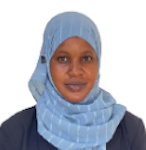 Mwanaidi Hamadi Omary is a Research Assistant at the National Institute for Medical Research (NIMR), Traditional Medicine Research Centre since March 2023. She holds a Bachelor’s degree in Botanical Sciences from the University of Dar es Salaam (2021). Her work focuses on documenting and analyzing medicinal plants, conducting phytochemical and pharmacognostic studies, and promoting the conservation and safe use of herbal medicines. Mwanaidi’s research bridges traditional knowledge and scientific validation, contributing to the sustainable development of herbal health solutions.
Jonathan Mwesigye
He has completed a Master of Arts in History from Makerere University (Uganda). His Masters dissertation focused on the significance of identification documents during the Rwenzururu separatist movement in the 1960s in Toro district, Western Uganda. He was a Certizens Project fellow, which focuses on the logics, policies and practices of different regimes of citizen classification, certification and identification in selected African contexts. His current research interest is in Historicizing African indigenous healing practices in Western Uganda
Boukary Ibrahim Nadiatou
Elle est docteure en Monitoring et Conservation de la Biodiversité, spécialité Géographie Physique et Environnementale à l’Université de Parakou (Bénin). Ses travaux de recherche portent sur la gestion des ressources naturelles comestibles, la conservation de la biodiversité, la sécurité alimentaire et l’adaptation aux changements climatiques. Elle a bénéficié de la bourse NICHE/BEN/196 et du Petit Programme de Subvention de Recherche (PPSR) de ACED pour le projet VReCSA (Valorisation des Ressources Naturelles Comestibles pour la Sécurité Alimentaire : cas de Bombax costatum au nord-ouest du Bénin), Nommée ambassadrice verte pour le climat par CCAO et formée comme Green Soldier par Climate Life Movement. Elle est également engagée dans la promotion du leadership féminin et de la résilience communautaire face aux changements climatiques. Auteure et co-auteure de plusieurs publications parues dans des revues nationales et internationales, elle a contribué à la réflexion sur les ressources naturelles comestibles, la sécurité alimentaire et les dynamiques environnementale. En parallèle de ses recherches, elle a participé à de nombreux projets de développement, ateliers et formations.
Ndum Charlotte Ayeah
Ndum Charlotte Ayeah is Researcher at eBASE Africa, where she does work around evidence synthesis, programme evaluation, and policy engagement. Working at the nexus of research, evidence, and policy, Charlotte is passionate about making policymaking evidence informed. Her work at eBASE centers on locally grounded methodologies and inclusive research practices that strengthen research systems and support equitable decision making across African contexts.
Neque Alcino António João Francisco
Neque Alcino António João Francisco is an independent researcher with training in Educational Psychology and Investigative Journalism. He has conducted research with AVSI on the psychological impact of armed conflict on displaced communities, as well as surveys for ADRA assessing humanitarian conditions and WASH services. His work engages critically with African languages, culture, and politics, emphasizing community resilience and social development. He is the editor of Africanidade Studio and a volunteer contributor to Luz do Pensamento. He also founded a startup addressing African solutions in education, agriculture, and urban development, and mentors youth at Prestige Pratik Solutions.
Elisabeth Melaine Ngo Piim Bikoy
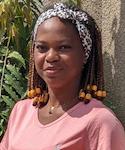 Je m’appelle NGO PIIM BIKOY Elisabeth Melaine, étudiante en parasitologie à l’Université de Yaoundé 1- Cameroun, né le 12 octobre 1996 à Hikoadjom-Cameroun. Chercheur en début de carrière, je suis stagiaire à l’Organisation de Coordination pour la lutte contre les endémies en Afrique Centrale (OCEAC). Je suis membre du groupe de recherche ‘Parasites and Vector Research Group (PaVeRG)’ de l’OCEAC ; et du réseau de modélisation appliquée du paludisme en anglais ‘Applied Malaria Modeling Network’ (AMMnet).
Je suis passionnée des sciences de la vie et j’aimerais poursuivre ma formation académique, faire une carrière professionnelle dans le domaine de la santé et de l’environnement ; j’aimerais également mettre à profit mes connaissances de base, mon expérience en santé humaine, animale et environnementale au service du développement et contribuer ainsi au bien-être des populations.
Je suis titulaire d’un Master 2 en Biologie des Organismes Animaux avec une spécialisation en Parasitologie. Mes travaux de recherche sur l’épidémiologie du paludisme en milieu forestier au sein de OCEAC en tant qu’assistant de recherche, m’ont permis d’acquérir des bases théoriques et pratiques solides sur la bionomie et la génétique des moustiques du genre Anopheles (vecteurs du paludisme), les techniques de biologie moléculaire, le profil de sensibilité, l’identification morphologique, l’élevage et la dissection de ces insectes en laboratoire et sur le terrain, ainsi que les moyens mis en place pour lutter contre le paludisme.
Disposer à avancer dans ma carrière et motivée à apprendre d’avantage, après l’obtention de mon Master 2 à l’Université de Yaoundé 1 en 2022, je me suis engagé dans la rédaction des projets afin d’obtenir une opportunité qui me permettra de m’inscrire et suivre un programme de doctorat, un engagement qui m’a permis d’obtenir la bourse d’AFRIAK 2025. J’ai également contribuer à d’autres activités de recherche qui m’ont permis d’être co-auteur de deux publications liées aux maladies à transmission vectorielle.
Terngu Sylvanus Nomishan
Terngu Sylvanus Nomishan is a lecturer at the Department of Archaeology and Museum Studies, Federal University Lokoja, Nigeria. He is a third-year PhD candidate in the Department of Archaeology and Tourism at the University of Nigeria, Nsukka, Nigeria. He has published quality articles and chapters in local and internationally renowned journals and books. His latest book, “Heritage, Memory, and Identity: New Perspectives on the Swem Oath, an African Traditional Justice System”, has gained wide acceptance, evident in its translation into five foreign languages (French, German, Italian, Portuguese, and Spanish). Terngu is an Inaugural Council Member of the Pan-African Scientific Research Council (PASRC), Princeton University, USA, and a Faculty Fellow of the Africa Indigenous Knowledge Research Network (AIKRN), Carleton University, Canada.
Ntam Damaris
Ntam Damaris Maih is a Cameroonian researcher, storyteller, and evaluator with an MA in Political Science from the University of Bamenda. At eBASE Africa, she applies the Tori Dey approach to integrate indigenous storytelling into evaluation, making evidence accessible and culturally relevant. She recently contributed to the Mastercard Foundation–funded HAPPY Program Midterm Review in Ghana, using participatory storytelling to elevate youth, women, and disability voices. Passionate about Made in Africa Evaluation, she bridges science and lived realities to drive inclusive knowledge and policy change.
Nyakallo Lekuta
I am a social researcher committed to advancing African-led knowledge and evidence-based development. My work explores the intersections of public health, governance, and community systems. With a focus on community wellness, policy and institutional ethics, I am passionate about making research accessible and locally grounded. This will bridge knowledge production with the prevalent crises that impact societies across the continent.
Richard Posite Vithundwa
Posite Vithundwa Richard is a climate scientist, researcher, and lecturer at the Official University of Semuliki in the Democratic Republic of the Congo, where he has been teaching and mentoring students since 2016. He holds two Master’s degrees: in Climate Change Engineering from the Pan African University Institute of Water and Energy Sciences (PAUWES), Algeria, and in Forestry from the University of Dschang, Cameroon. He also earned an Engineering degree in Water and Forestry and a Bachelor’s degree in Agricultural Sciences from the Official University of Semuliki. He is the founder and director of EarthRoost+, a research and innovation center that promotes sustainable solutions for resilient communities and ecosystems. EarthRoost+ integrates nine research groups spanning hydrometeorology, agrometeorology, geospatial intelligence, forestry, biodiversity, data science, policy, Indigenous knowledge, and planetary health. Through this work, Richard emphasizes bridging science with Indigenous and local knowledge systems, ensuring that climate adaptation strategies are both evidence-based and culturally grounded. His research focuses on climate variability, climate modeling, hydrology, ecosystem resilience, and land-use change, with several publications in high-impact journals. He also serves as a peer reviewer for reputable international journals, contributing to the global scientific dialogue. In recognition of his contributions, he has received the AFRIAK Award (2025), the CARN ASPIRE Grant (2024), and the IDEA WILD Grant (2022). Fluent in English, French, and Swahili, Richard is committed to empowering communities through research, education, and innovation for a climate-resilient Africa.
Precious Joan Wapukha
Dr. Precious Wapukha (PhD) is a lecturer of History in the department of social sciences at Kibabii University, Kenya. She holds a PhD degree in History, a Master of Arts in History and Bachelor’s degree in Education (Arts) specializing in History. She is a seasoned scholar in the realm of indigenous knowledge, gender, peace and conflict studies. She has published extensively in peer reviewed journal, presented papers in international conferences and occasionally publishes opinion pieces in Kenyan daily nation newspaper and UK based media Democracy in Africa (DIA).
Raymond Selorm Anyasu
Raymond Selorm Anyasu is an emerging science education researcher from Ghana. He holds a Bachelor of Science in Biochemistry and is currently pursuing a Master of Philosophy in Science Education at the Kwame Nkrumah University of Science and Technology. Raymond has extensive experience as a research support and technical support and has contributed to significant research projects with the International Development Research Council and Partnership for Innovative Research in Africa. His research interests are culturally responsive pedagogies, and SDG integration in curricula. Raymond is committed to supporting an education system that promotes skills and knowledge essential for sustainable development.
Ricardo Kpognon Yaovi
Ricardo Yaovi KPOGNON est étudiant en deuxième année de Master en sciences de l’environnement, spécialité :forêts et changement climatique, au Centre de Recherche sur le Changement Climatique (CRCC) de l’Université de Lomé au Togo. Il est Coordonnateur national du Réseau Climat Jeunesse Francophone (RCJF-Togo). Son travail de recherche porte sur la valorisation des pratiques endogènes de restauration des paysages forestiers et des terres dégradées dans les Monts Kozah (Nord-Togo), avec une analyse des facteur d’adoption et de la résilience climatique. Ricardo s’investit également dans la promotion de la justice climatique et le renforcement de l’engagement des jeunes pour un avenir durable.
Roger Miranda Diono
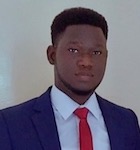 Roger Miranda DIONO est un doctorant sénégalais, inscrit en cotutelle internationale de thèse de Sociologie et STS (Sciences, Techniques et Sociétés) entre Université Paris Cité (France) et Université Gaston Berger (Sénégal) et affilié aux laboratoires Ceped et URIC. Son projet de recherche doctoral, soutenu de 2021 à 2024 par la bourse ARTS de l’IRD, interroge les conditions de possibilité de mise en dialogue entre les savoirs locaux, issus de la communauté du Gandiol, au nord du Sénégal, et les savoirs scientifiques des experts du développement œuvrant pour une mise en pratique du concept de développement durable dans les politiques de gestion des zones côtières au Sénégal.
Rose Eligi Mtenga
I hold a degree in Geography and Environmental Studies from the University of Dar es Salaam. I currently serve as the Project Coordinator of the Green School Project at AfriCraft, a Tanzanian nonprofit that empowers marginalized communities through environmental care and social innovation. Through this project, I promote sustainable behavior among students by training teachers and youth in waste management—recycling plastic and tires, tree planting, clean-ups, and climate change awareness. My goal is to build a resilient, committed generation that preserves natural resources and promotes a healthy environment for Tanzania’s future.
Ruth Oluchi Ezere
Ruth Oluchi Ezere is an ethnobotanical researcher with an HND in Microbiology and a Diploma in Science Laboratory Technology from Abia State Polytechnic, Aba.
As Program Officer with Desrich Management Consultants, she organized school chess initiatives, facilitated health and education programs for the Tompolo Foundation in Gbaramatu Kingdom; Nember Bassambiri Community; schools in Aba – PortHarcourt; led sensitization campaigns on traditional and contemporary health systems. She also serves as a Research Assistant with the Alani Community Project, where she co-leads youth training on ethical field documentation and contributes to community-validated medicinal plant knowledge. Her skills include ethnographic methods, capacity building mobilization, community mobilization.
Samwel Amosi Rugumba
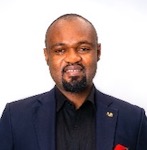 Samwel Amosi Rugumba works as a Tutorial Assistant at Sokoine University of Agriculture’s Department of Sociology and Anthropology. He has been accepted to the University of Dar es Salaam to begin his Master’s program in Sociology in November 2025. His areas of interest are social change, community development, and linkage of theory and practice in tackling regional issues. In addition to tutoring, he conducts research and participates in outreach programs that bridge the gap between academia and society. Through critical thinking, teamwork, and socially conscious research, he is dedicated to promoting social transformation through knowledge-sharing, collaboration, and impactful research.
Smangele Amanda Mwelase
Smangele Amanda Mwelase is a Senior Research Fellow and Ethnographer with extensive experience in public health, health systems research, and project management across South Africa and the broader African region. She recently served as a Project Manager at the Wits Health Consortium (Agincourt Unit). Amanda holds a Master of Social Science in Research Psychology from the University of KwaZulu-Natal and is completing a Master of Public Health at the University of the Witwatersrand.
Her work bridges research, policy, and implementation, focusing on improving access to and uptake of essential health services, particularly in HIV/AIDS, TB, and maternal mental health. She has led multi-country research teams, coordinated clinical trials, and contributed to strategy development, capacity-building, and governance strengthening initiatives within health systems. Amanda’s academic and professional journey is rooted in advancing evidence-informed decision-making and amplifying African voices in global health research and practice.
Tamandani Lawani
I am a committed research scientist with a strong passion for environmental and the preservation of biodiversity. My primary focus is on promoting underutilized and neglected indigenous crops that are climate resilient and can play a significant role in enhancing food security in vulnerable communities
Through my research, I advocate for the recognition of tradional crops such as finger millet and Bambara groundnut. These crops not only withstand climatic harsh condition but also mature early and represent a rich of nutrition and cultural heritage. My work emphasizes the importance of indigenous and alternative knowledge systems in agriculture, encouraging communities to embrace these sustainable practices for long term resilience.
I hold a Bachelor of science in Transformative community Development obtained in the year 2022, Currently, I am in the final stages of completing my Master of Social Science in Transformative Community Development with my research focusing on the same theme of promoting the use of underutilized crops.
Tayo Bello
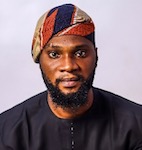 He is the resident researcher at the John Randle Centre for Yoruba Culture and History, Lagos Island, and the founder of Wàá Ṣere, a dynamic platform dedicated to celebrating Yoruba traditions and wider African values. A visual artist, writer, and speaker, he merges art, film, and research to document and re-imagine indigenous heritage.
Trained in Dramatic Arts, Tayo brings theatrical flair to his storytelling, curating exhibitions, performances, and digital content that inspire cultural pride. Through Wàá Ṣere, he promotes history, spirituality, and craftsmanship, helping to decolonize African minds and spotlight the creativity, strength and sophistication of traditional knowledge.
Tchigo Yovo Expédit
Ir. Yovo Expédit TCHIGO est un Doctorant à l’EDSAE et affilié à l’Unité de Recherche en Econométrie et Politiques Agricoles/LARDES de l’Université de Parakou au Bénin en tant qu’Assistant de Recherche. Il est également le Directeur Exécutif de GREDD-ONG et coordonne des projets d’autonomisation des femmes et de protection de l’environnement. Ses recherches portent sur les questions d’évaluation d’impact des politiques agricoles, l’accès au marché et le financement agricole, l’agriculture durable et le changement climatique. Il a reçu le Prix du Jeune Chercheur en innovation à la COP16 sur la thématique ‘‘cultures résilientes aux changements climatiques’’.
Timben Marciline Tebo
Tebo Marcline Timben holds a PhD in Curriculum Planning and Design from the University of Bamenda, Cameroon. She is a teacher trainer at the Government Teacher Training College Bamenda and a research fellow at eBASE Africa. Her work focuses on teacher professional development, mastery learning, and the integration of digital tools and AI in education. She pilots innovative approaches aimed at improving foundational literacy and numeracy, equipping teachers and learners with future-ready skills.
Theresia Gastor Mapunda
Theresia Mapunda holds a Bachelor’s degree in Crop Science and Technology from the University of Dar es Salaam. She has a strong academic foundation in agriculture and related sciences, with interests in local knowledge in its breadth – including health, sustainability, and research-driven development. She is committed to continuous learning and professional growth, seeking opportunities to apply her knowledge in impactful ways. With a focus on creative innovation and problem-solving, she aims to contribute meaningfully to fields that bridge science, community well-being, and sustainable progress.
Tinotenda Chisambiro
Tinotenda Chisambiro is a Lecturer in the Department of Peace Security and Society, Faculty of Arts and Humanities, University of Zimbabwe. She holds a Masters in War and Strategic Studies, and serves as a board member of Gender, Peace and Security Network. She was involved in the African Cities Research Consortium (ACRC) project funded by the University of Manchester where she examined gendered dynamics in informal markets. Her research interests include: African security, security studies, gender related studies, conflict transformation, local and international conflict, informality and indigenous knowledge systems.
Uche Paul Okereke
Okereke Uche Paul is a researcher with a degree in Public Health, with a focus on community health and lifestyle. Passionate about knowledge exchange, he is also an accomplished public speaker, debater, and award-winning adjudicator. Beyond academia, Uche actively engages in civic initiatives and is an avid volunteer committed to empowering communities. He currently serves as a Local Coordinator with African Students for Liberty, where he contributes to leadership development and advocacy across the continent.
Unifier Dyer
Unifier Dyer is a Lecturer in the Department of African Literature at the University of the Witwatersrand. Their research explores women’s epistemes within Indigenous Knowledge Systems, focusing on contemporary literature and creative works. They earned a PhD in African Cultural Studies from the University of Wisconsin-Madison, with a dissertation titled “The Healer and Healing: Poetics of the Sacred in Select Women’s African Literary and Cultural Texts”. Unifier is the co-editor of the critical anthology, Ubuntu and the Everyday in Africa (2019). Uni has been the receipt of the Andrew Mellon Public Humanities Fellowship and NRF Doctoral Abroad Program. Their teaching portfolio includes courses on Global Black sound, African Popular Media, the post-independence novel, Oral Literature, and Gender and Queer literature.
Wilkista Khakasa Wefwila
Wefwila Wilkista Khakasa is a Certified Clinical Nutritionist and Food Scientist with expertise in food security and nutrition program management. She holds a BSc in Food Nutrition and Dietetics and is pursuing a Master’s in Food Science and Nutrition. Her work bridges Agriculture-Nutrition-Health, with strengths in MIYCN, IMAM, and BFI. Wilkista excels in translating complex concepts into practical solutions and has led successful community-based projects. Passionate about research and publication, she has authored works on micronutrient-rich recipes and nutrition resilience, reflecting her commitment to improving global access to nutritious food and health knowledge.
Yacouba Sissoko
Yacouba Sissoko is the Program Coordinator for Research and Development at Seneso Seed SARL (Private NGO focused on agricultural research and development) and is also affiliated with Point Sud Centre (international research institute) in Mali. He holds a B.Sc. in Agro-Processing from the University of Cape Coast, Ghana, and an M.Sc. in Management of Enterprises and Organizations from Delta-C University, Mali. His research interests focus on rural development, agricultural innovation, and sustainable livelihoods.
Yacouba has contributed to the design and implementation of business models such as the Agro-Processing and Enterprise Centers (APEC) and the Private Enterprise and Extension Services (PESP), aimed at improving the economic resilience of smallholder farmers especially women groups and youths through value addition, postharvest loss reduction, and market linkages while working at Sasakawa Africa Association (SAA, Mali Office).
Yapi Apo Sandrine
Mlle. YAPI APO SANDRINE, est chercheure associée à l’Institut d’Histoire, d’Art et d’Archéologie Africains (IHAAA). Titulaire d’un doctorat en anthropologie, option archéologie, de l’université Felix Houphouët-Boigny (Abidjan, Côte d’Ivoire), elle est spécialiste des techniques de production subactuelle de la céramique et de la valorisation du patrimoine africain. Elle a une solide expérience en collecte et analyse de données quantitatives et qualitatives dans les domaines de la santé et de l’éducation.
Zola Mbinda
Zola Mbinda is a lecturer in the History Department at Rhodes University (South Africa), where she is also a PhD candidate. She obtained her BA (International Relations, Classics and History), BAHons (History) and MA in History at the University of Cape Town. Her main research interests are medical history, gender and women’s studies with a particular focus on fertility, contraception, sexuality and historical health policies. Understanding that the past continues to inform the present Miss Mbinda’s work looks at historically ignored histories of women primarily using oral history to create and contribute new archives and ways of knowing.
Zoulkifilou Sare Dabou
Zoulkifilou Sare Dabou holds a Master’s degree in Biochemistry, Molecular Biology and Applications from the University of Abomey-Calavi in Benin, and is currently enrolled on a PhD programme. He conducts his research at the Entomological Research Centre in Cotonou, focusing on insecticide resistance in Aedes and Anopheles mosquitoes and the use of plants for vector control. His work aims to improve the effectiveness of vector control and the surveillance of vector-borne diseases, such as dengue fever and malaria. He is a co-author of several scientific publications.
Loubanou Claude Ada Cenarlline
Docteur LOUBANOU Claude Ada Cenarlline, épouse SALA-BANAKISSA âgée de 34, est actuellement enseignante vacataire à l’Université Denis Sassou Nguesso de Brazzaville, République du Congo. Elle est titulaire d’un Doctorat en Biologie, domaine de spécialité, Pharmacognosie et Pharmacopée africaine à l’Université Marien Ngouabi de Brazzaville en 2024. Son intérêt pour la médecine traditionnelle s’est approfondi lors de ses multiples participations à des stages académiques de terrain, principalement des enquêtes ethnobotaniques réalisées auprès des tradithérapeutes de santé et des détenteurs de savoirs ancestraux. Ses activités de recherches s’articulent autour de la valorisation des plantes aromatiques, alicamentaires et médicinales. Son engagement s’exprime dans la promotion des méthodes et des savoirs médicinaux africaines. Son travail doctoral lequel a abouti à des publications scientifiques, porte sur les effets de l’extrait d’un fruit issu de la flore médicinale congolaise sur les maladies métaboliques. En dehors de ses activités académiques, Dr LOUBANOU a été Membre de la Commission Nationale Laboratoire et Recherche dans la riposte contre la Covid-19 en 2020, membre du jury au Baccalauréat 2023 et 2024, membre de la commission des saisies des notes au Baccalauréat session de juin 2024 et au Brevet d’Etude du Premier Cycle en 2024. Son objectif à long terme est de devenir un chercheur de premier plan et d’utiliser ses découvertes pour l’amélioration du quotidien de la population congolaise en particulier et africaine en générale. Elle se réjouit de l’opportunité de rejoindre la communauté CODESRIA afin d’acquérir de nouvelles expériences et de contribuer à l’avancement des connaissances dans le domaine.