






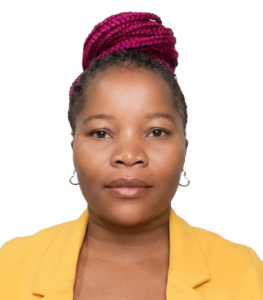
 Talent Zhakata
Second cohort of the African Fellowships for Research in Indigenous and Alternative Knowledges / Deuxième cohorte du programme de Bourses africaines pour la recherche sur les savoirs autochtones et alternatifs (AFRIAK) .
Affliation: University of Zimbabwe
Discipline: Arts in Kiswahili and Economic
Country / Pays: Zimbabwe
Biographie / Biography: I hold a Bachelor of Arts in Kiswahili and Economic History from the University of Zimbabwe (2017) and a Master of Arts in Kiswahili from the University of Dar es Salaam (2020). Currently, I am a PhD candidate in the Department of Literature, Communication, and Publishing at the Institute of Kiswahili Studies, University of Dar es Salaam. My academic journey reflects a deep commitment to the study of Kiswahili language and literature, with a growing focus on the intersection of African languages.
Since 2023, I have been working as an Assistant Lecturer at the University of Zimbabwe, located in Mount Pleasant, Harare. The University of Zimbabwe (UZ) is the oldest and largest public university in Zimbabwe, founded in 1952. In this role, I am entrusted with teaching, conducting research, and providing consultancy under the guidance of senior staff members.
I am currently serving as an Assistant Lecturer in the Department of Languages, Literature, and Culture at the University of Zimbabwe. In addition, I am pursuing a PhD in the Department of Literature, Communication, and Publishing at the Institute of Kiswahili Studies, University of Dar es Salaam. My academic focus encompasses a range of areas, including Kiswahili linguistics and literature, second/foreign language teaching methodologies, indigenous knowledge systems, and gender studies.
As an Assistant Lecturer in Kiswahili Literature at the University of Zimbabwe, I engage deeply with African indigenous knowledge through my teaching. Literature is a vital medium through which indigenous knowledge is defined, transmitted, and preserved, and my courses on Kiswahili Literature highlight how African cultures embed these knowledge systems in their literary works. Recently, I have collaborated with Professor Shani Omari Mchepange